HX Report
Irishman in the Middle East
The GRANGE STONE CIRCLE
Posted on January 16, 2026
MB was back home in recent days, having spent Christmas holiday in the Middle East for various reasons. MB left a cold winter desert climate behind and fell into the Irish version, which wasn’t altogether much different. Blue skies, cold crisp air and occasional damp.

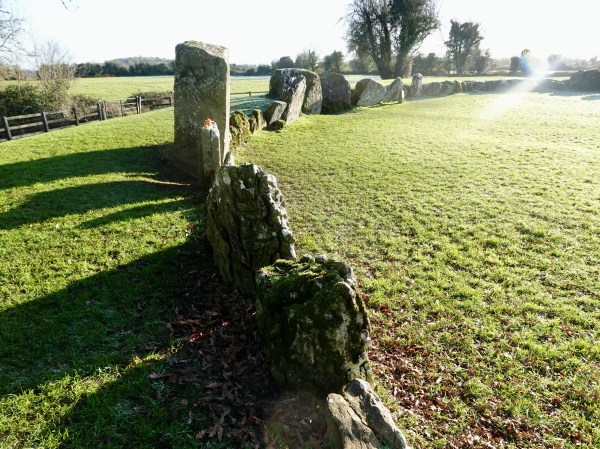
MB did his usual family stuff and touring daily around the HX locality. He had passed the Grange Stone Circle a number of times already when it caught his eye once more. Time to visit the circle again, thought MB, as he had missed it on the last two or three visits home.
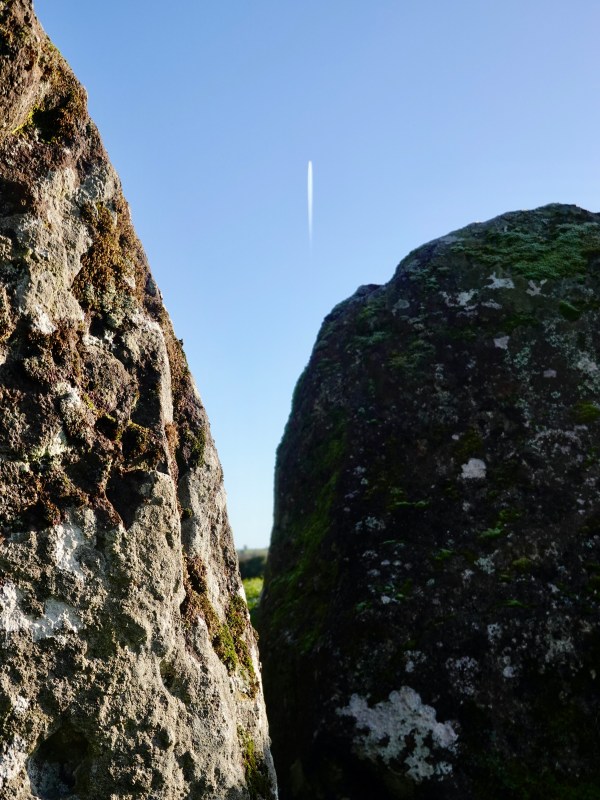
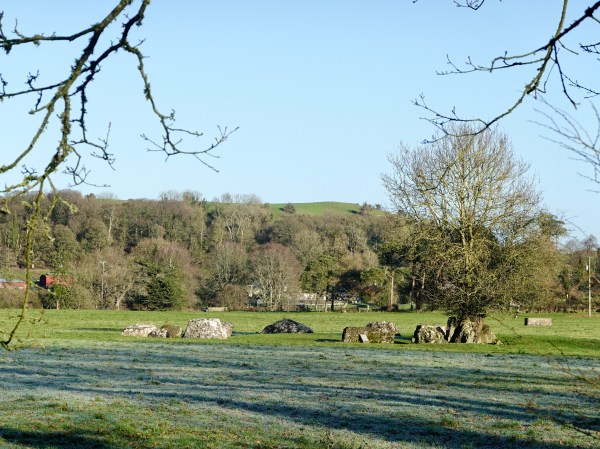
The Grange Stone Circle is the largest diameter circle in Ireland and is approximately 20 minutes drive from Limerick city. It’s approx 4,500 years old, older than the Cairo Pyramids as the locals like to boast. There’s a smaller circle in the adjoining field, and maps for the 1800s show the largest circle of three in the field across the road. That largest circle no longer exists, nobody knows when it disappeared, maybe removed for agriculture reasons or maybe to break up the stones to make stone houses.
What’s the purpose of the stone circle? And astronomical alignments? Anything at all?
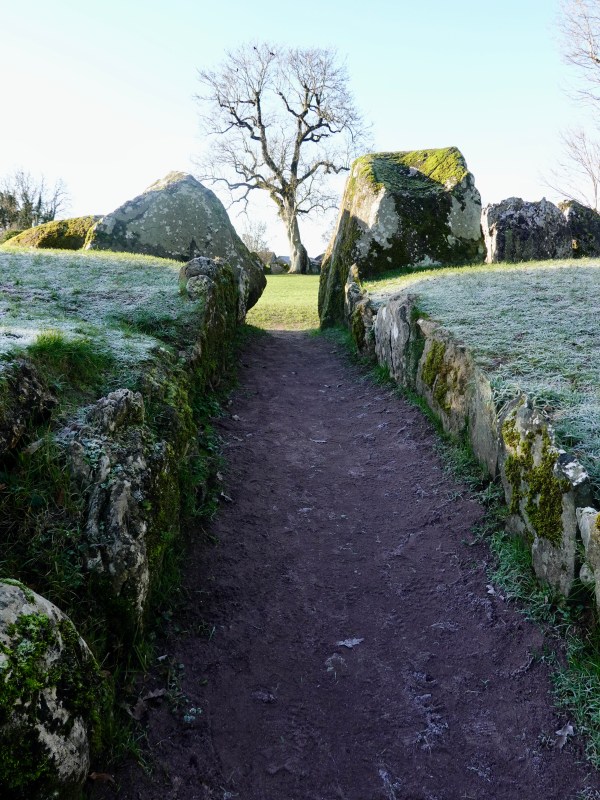
The circle gets large number of predawn visitors on the Summer & Winter solstice pre-dawn mornings, and MB has been amongst their numbers on a few occasions. Many believe that there is some relevance or alignment or connections between the stones and these calendar/lunar dates. The Heritage Ireland website states that the circle entrance is aligned with sunset on the Irish Festival of Samhain (Gaelic word, pronounced ‘SOW-AN’ in English) or Halloween in the rest of the world. Archaeological excavations have revealed animal bones, shards of pottery, and even some coins from Oliver Cromwell’s soldiers who camped in the circle overnight before attacking Limerick City on the following day.
MB does not agree with the Samhain sunset alignment theory and doesn’t believe in any celestial connection, having photographed the circle at many times of the year. The circle itself and the embankment outside the circle, are both at a higher level than the adjoining field; the embankment being maybe 2 to 3 feet higher than the floor of the circle. One can stand on the embankment and look ‘down’ into the circle. So its likely that the circle was used for some sort of spectacle, such as sacrifice, or competition. The discovery of many animal bones within the excavations is proof of animal sacrifice, according to the archeology experts. MB is aware of one Psychic from the US who visited the circle many years back and fell into a trance in the presence of a local guide. When she came to, she informed the guide and fellow tour members that she had witnessed human sacrifice from many thousands of years back during her trance state. No human bones have ever been discovered so the jury’s out on that theory, for the moment at least.
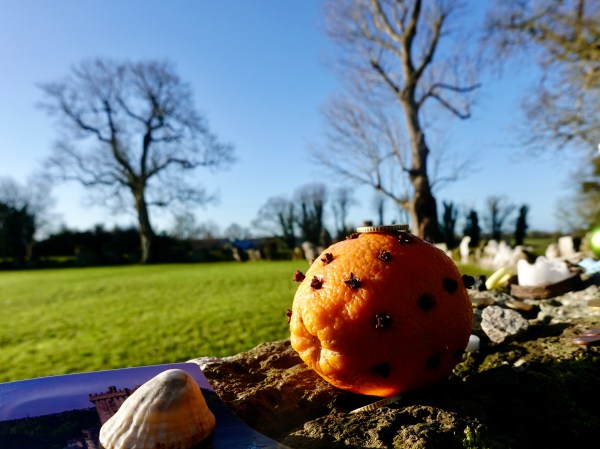
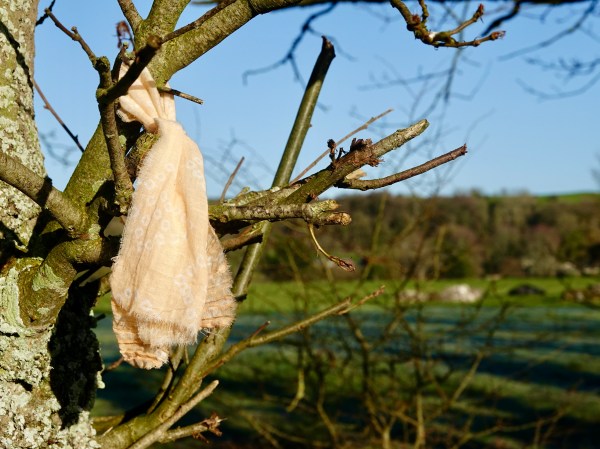
MB’s visit of the last week or so occurred shortly after the Winter Solstice of 21 December. The tradition is to leave some gifts for the spirits on the stones, or tied to the nearby trees, on such occasions. Coins, fruit and even small kids toys were still evident during MB’s visit.
The circle is adjacent to Lough Gur lake, only a few hundred meters away, which is a place of much folklore and history. If interested, check out http://www.loughgur.com. A little off the beaten Irish tourist track, but well worth a visit if you’re ever in the Emerald Isle.
Safe travels!
The SULTANATE OF OMAN
Posted on December 24, 2025
Many of the countries of the Arabian Gulf are headline grabbers from time to time, and some are constantly in the news. Saudi Arabia, UAE (which contains the Emirates of Dubai and Abu Dhabi), Yemen, Qatar, Bahrain, Kuwait & Iraq are probably better known internationally than Oman, or officially, the Sultanate of Oman.
Korea – Jeju Island
Posted on July 21, 2022
As Hawaii is to US citizens, so is Jeju to the Koreans.
Jeju is a large island off the south coast of South Korea, a little over one hour’s flying time from Seoul. Jeju airport is very busy as MB and MB2 witnessed, and caters for domestic and international flights. Tourism become even more hectic during covid as it was an in-country free-to-travel-to destination. The native population of the island is approx 600k and Jeju Island is one of the New Seven Natural Wonders of the World. The Shield Volcano in Hallasan National Park in the centre of the island is the tallest mountain in all of South Korea.
MB hired a car at the airport on arrival and quickly discovered that car hire procedures are not exactly as they are back home. Take the ‘fill the tank to the same level you received it when you return it’ rule. This normally involves filling the tank to the max when dropping it back, ie. to the same level you received it. But on turning on the ignition of the small Kia that MB had hired, MB immediately noticed that the petrol gauge was registering zero petrol in the tank. As in totally zero. Nada. Nothing. The dial did not move even 1 mm when MB turned on the car. So, realising that the car was only running on fumes, and starting to sweat, MB instructed MB2 to keep her eyes peeled for a petrol station or this car journey might come to an immediate stop. MB2 thankfully spotted one only a few hundred meters from the car hire yard so a solution seemed to be immediately at hand.
But all was not what it seemed. MB jumped out of the car, grabbed the petrol nozzle, and looked at the digital display. Sacre bleu! Merde! It was totally in Korean script, with no English language translations to be seen. The normal green/black hoses that might distinguish petrol from diesel obviously were an unknown principle in Korea, so the hoses gave MB no clue which one to use. Nor could MB even work out how to turn on the hoses or which button to press, let alone extract any petrol from them.
Enter the scene, Korean speaking and reading MB2, who jumped out of the car on hearing various blasphemies from MB, hit a series of touch-screen buttons on the large digital screen and said “proceed now dad” as if this was some problem she solved each and every day!
And onwards they went!
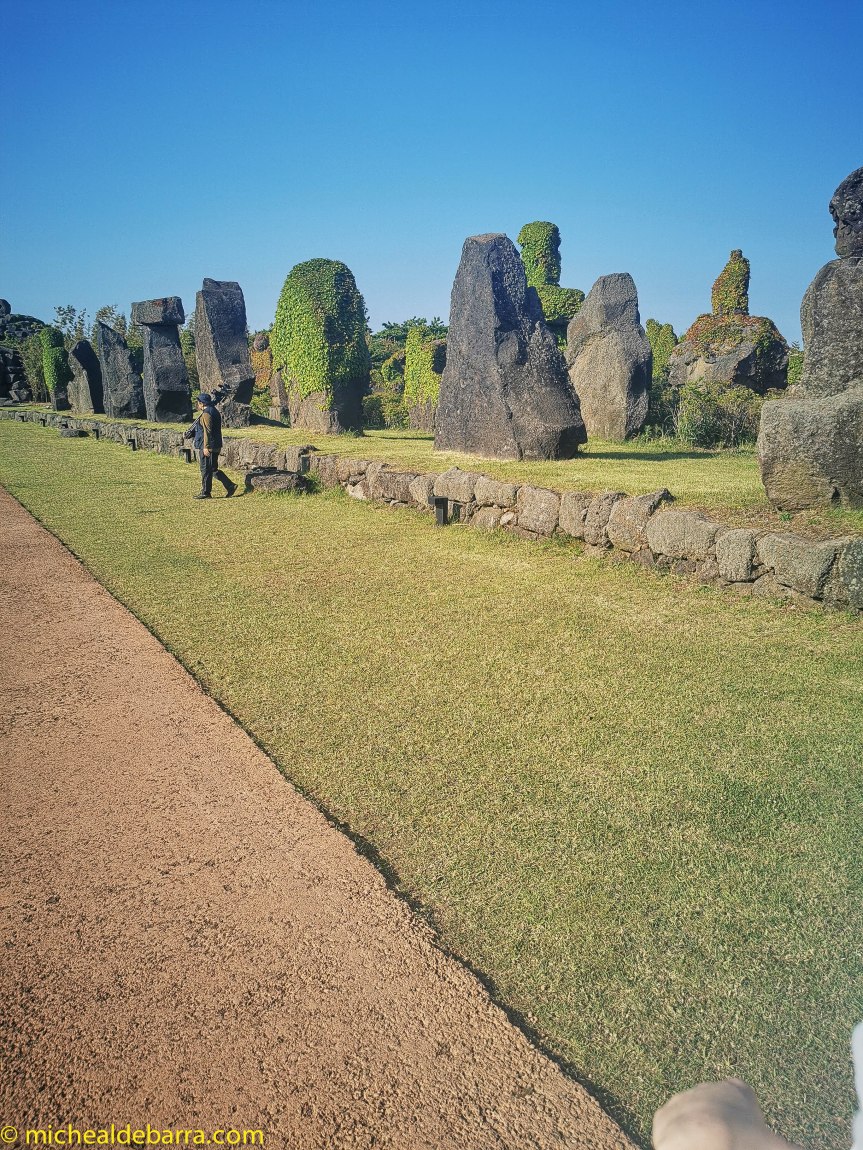
There are multiple attractions on the island and MB and MB2 covered many of them. There’s a very interesting National Stone Park (called ‘The National Stone Park’!) that has extensive rock sculptures and statues (unsurprisingly!) which must have taken hundreds of years to complete all those years ago.
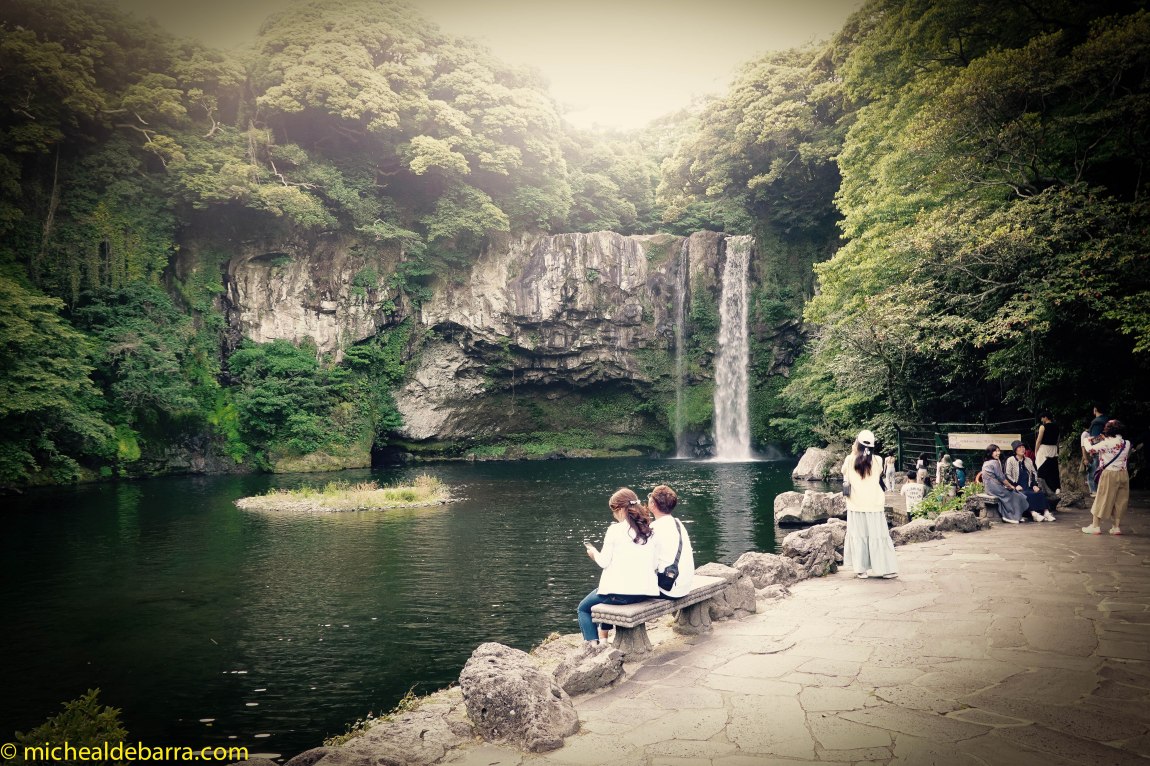
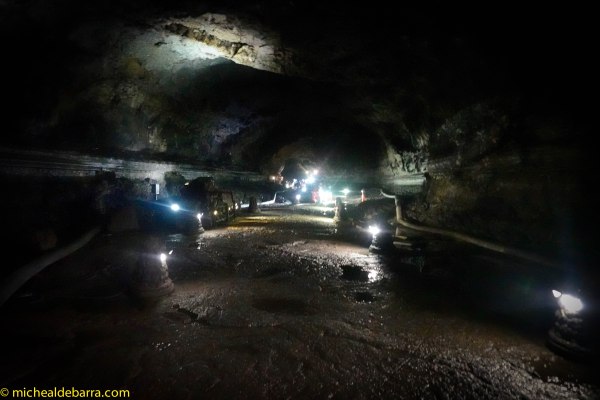
MB & MB 2 also visited a waterfall in the south of the island and the Manjanggul Cave, the 12th longest so-called Lave Tube cave system in the world.
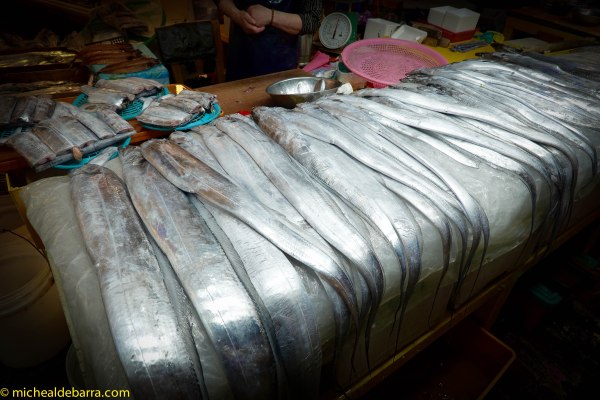
But for MB and MB2, the favorite haunt by far was the Dongmun traditional night wet market where some of the best street food in the world is cooked. MB and MB gorged themselves each night on market food treats from fish to various meats and veg and all sorts of delicious Asian combinations that they had never before encountered. Take a look at the video (last below) to get a flavour of the action and the food.
From Jeju, MB and MB2 took a 4-hour ferry journey to a small city called Mokpo in the South West of the Korean peninsula to catch up with a certain Irish nun.
But that’s a story for another day!
Shots + 1 video:





The guys preparing the food were part chef/part DJ:
 HX Report