HX Report
Irishman in the Middle East
The GRANGE STONE CIRCLE
Posted on January 16, 2026
MB was back home in recent days, having spent Christmas holiday in the Middle East for various reasons. MB left a cold winter desert climate behind and fell into the Irish version, which wasn’t altogether much different. Blue skies, cold crisp air and occasional damp.

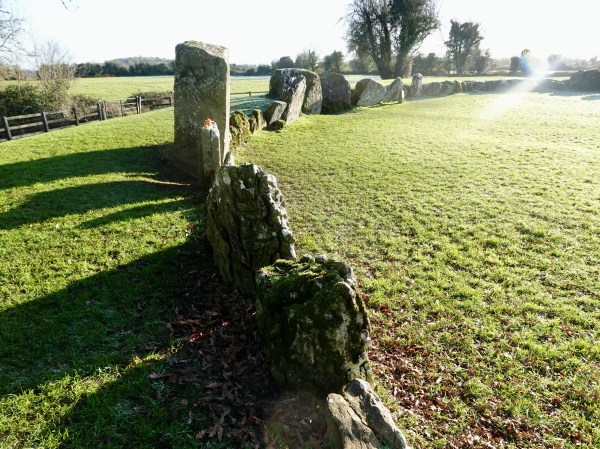
MB did his usual family stuff and touring daily around the HX locality. He had passed the Grange Stone Circle a number of times already when it caught his eye once more. Time to visit the circle again, thought MB, as he had missed it on the last two or three visits home.
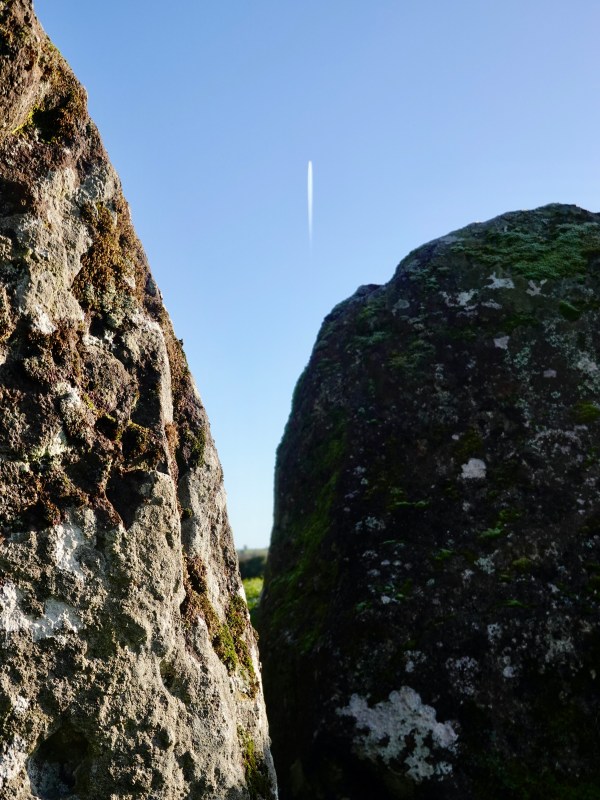
The Grange Stone Circle is the largest diameter circle in Ireland and is approximately 20 minutes drive from Limerick city. It’s approx 4,500 years old, older than the Cairo Pyramids as the locals like to boast. There’s a smaller circle in the adjoining field, and maps for the 1800s show the largest circle of three in the field across the road. That largest circle no longer exists, nobody knows when it disappeared, maybe removed for agriculture reasons or maybe to break up the stones to make stone houses.
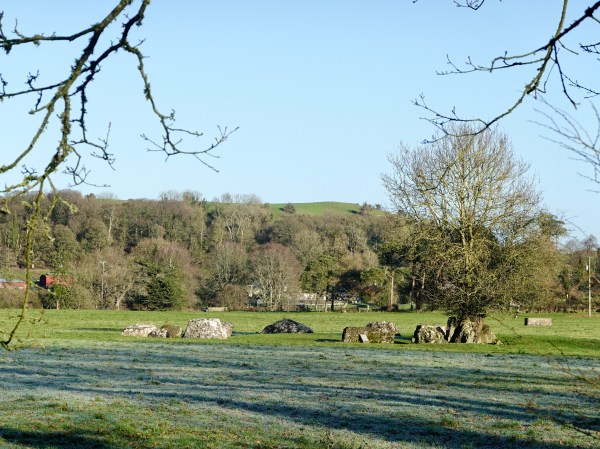
What’s the purpose of the stone circle? And astronomical alignments? Anything at all?
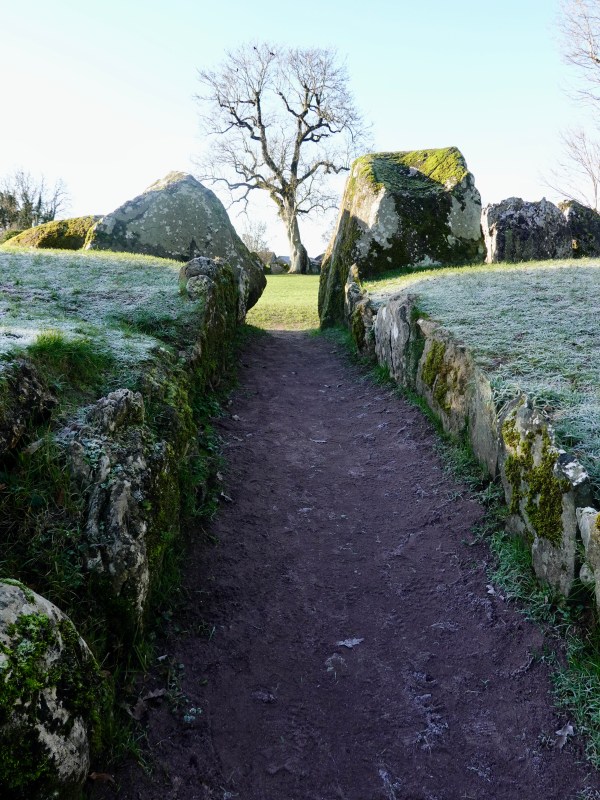
The circle gets large number of predawn visitors on the Summer & Winter solstice pre-dawn mornings, and MB has been amongst their numbers on a few occasions. Many believe that there is some relevance or alignment or connections between the stones and these calendar/lunar dates. The Heritage Ireland website states that the circle entrance is aligned with sunset on the Irish Festival of Samhain (Gaelic word, pronounced ‘SOW-AN’ in English) or Halloween in the rest of the world. Archaeological excavations have revealed animal bones, shards of pottery, and even some coins from Oliver Cromwell’s soldiers who camped in the circle overnight before attacking Limerick City on the following day.
MB does not agree with the Samhain sunset alignment theory and doesn’t believe in any celestial connection, having photographed the circle at many times of the year. The circle itself and the embankment outside the circle, are both at a higher level than the adjoining field; the embankment being maybe 2 to 3 feet higher than the floor of the circle. One can stand on the embankment and look ‘down’ into the circle. So its likely that the circle was used for some sort of spectacle, such as sacrifice, or competition. The discovery of many animal bones within the excavations is proof of animal sacrifice, according to the archeology experts. MB is aware of one Psychic from the US who visited the circle many years back and fell into a trance in the presence of a local guide. When she came to, she informed the guide and fellow tour members that she had witnessed human sacrifice from many thousands of years back during her trance state. No human bones have ever been discovered so the jury’s out on that theory, for the moment at least.
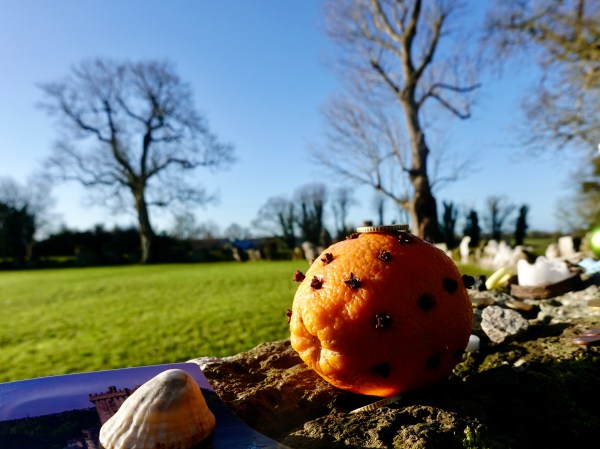
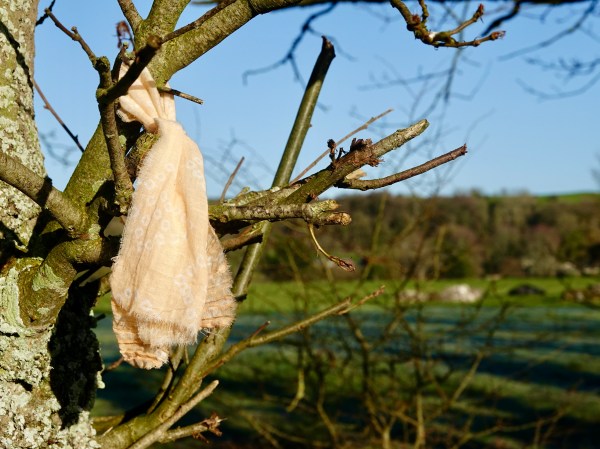
MB’s visit of the last week or so occurred shortly after the Winter Solstice of 21 December. The tradition is to leave some gifts for the spirits on the stones, or tied to the nearby trees, on such occasions. Coins, fruit and even small kids toys were still evident during MB’s visit.
The circle is adjacent to Lough Gur lake, only a few hundred meters away, which is a place of much folklore and history. If interested, check out http://www.loughgur.com. A little off the beaten Irish tourist track, but well worth a visit if you’re ever in the Emerald Isle.
Safe travels!
One-Word Sunday (on Monday!) – Circle
Posted on June 18, 2018
The Suvla Bay area of western Turkey on the Dardanelles Straits is infamous as one of the venues of appalling human butchery of WW1. The battles at Suvla formed part of the Gallipoli Campaign, where approximately 200,000 British/French/Anzac troops died, along with some 60,000 Ottoman Turks. Another 250,00 soldiers from both sides were injured. It is said that the sea was brown in colour for three days following one of the major battles, as the blood of the fallen mixed with the salt water.
Brutal stuff indeed.
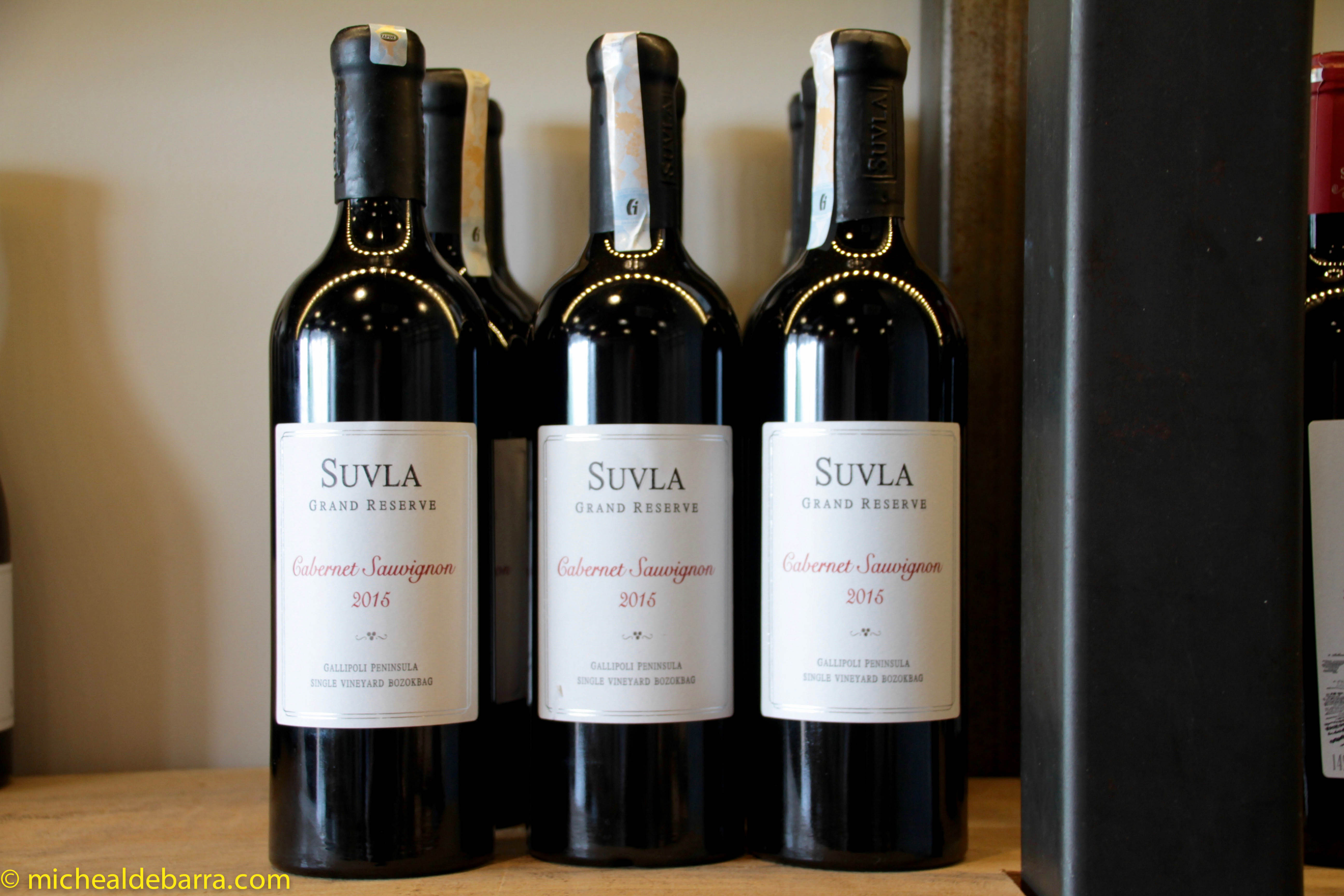
One hundred and three years later, only a few days back, MB landed at Suvla. It is an altogether more pleasant place today. War monuments and memories abound and MB may return to that subject matter at another time. For the moment, MB will focus on the Suvla vineyard where some mighty fine Suvla wine can be procured.
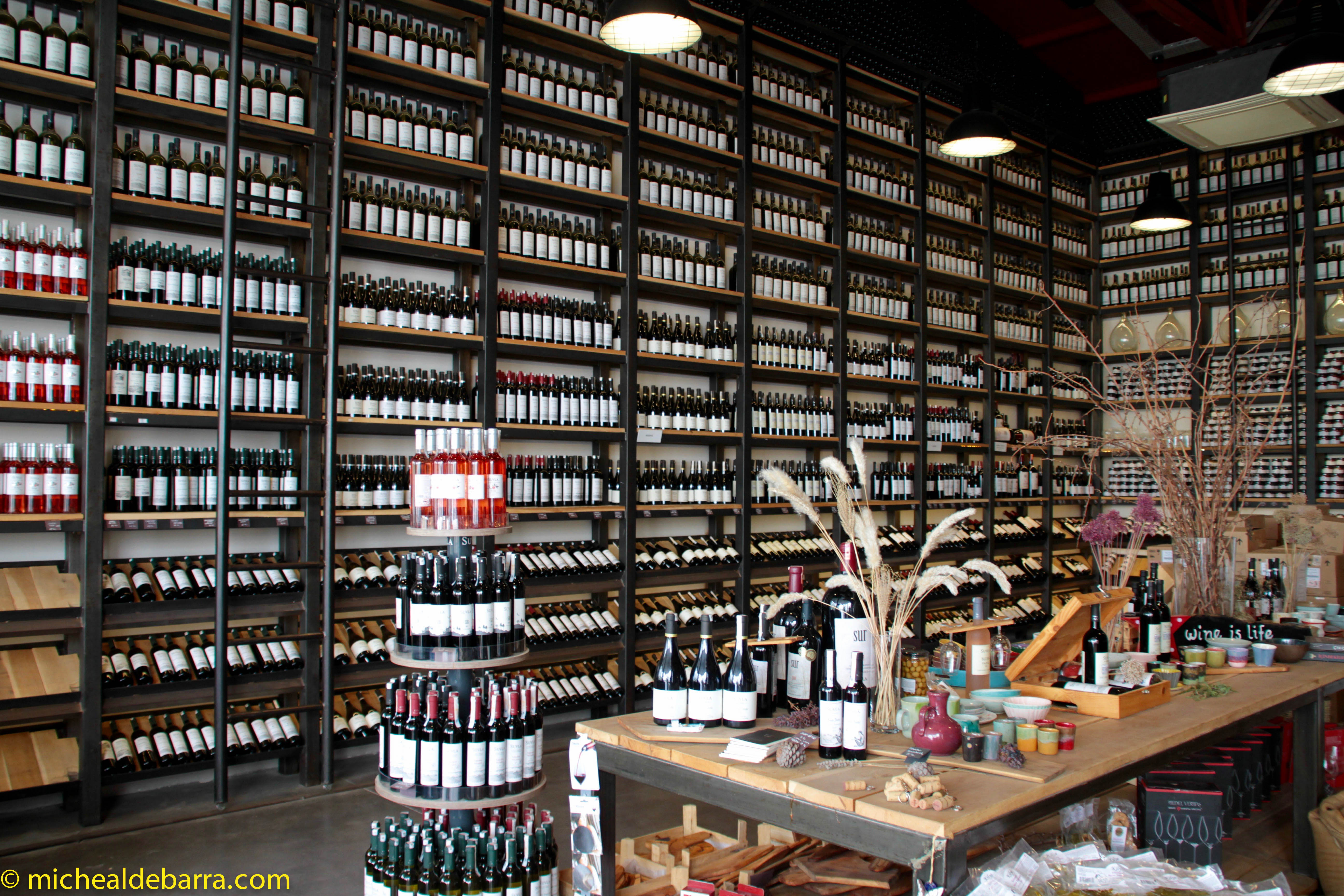
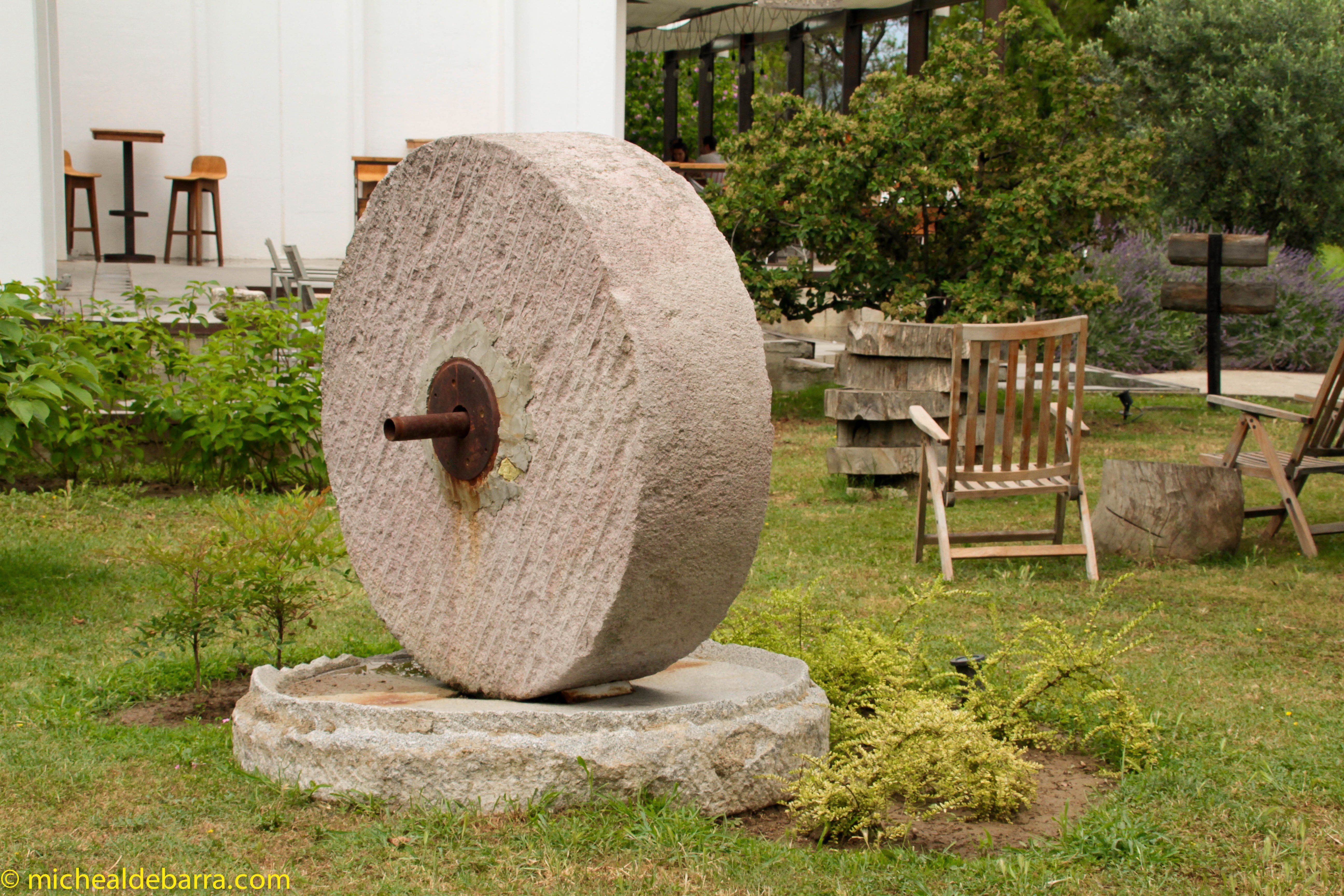
On the lawn outside the main building sits an old stone press which was used for pressing the grapes. Inside, the vineyard shop sells a host of Suvla wines and foods.
Weekly Photo Challenge – Circle
Posted on January 7, 2016
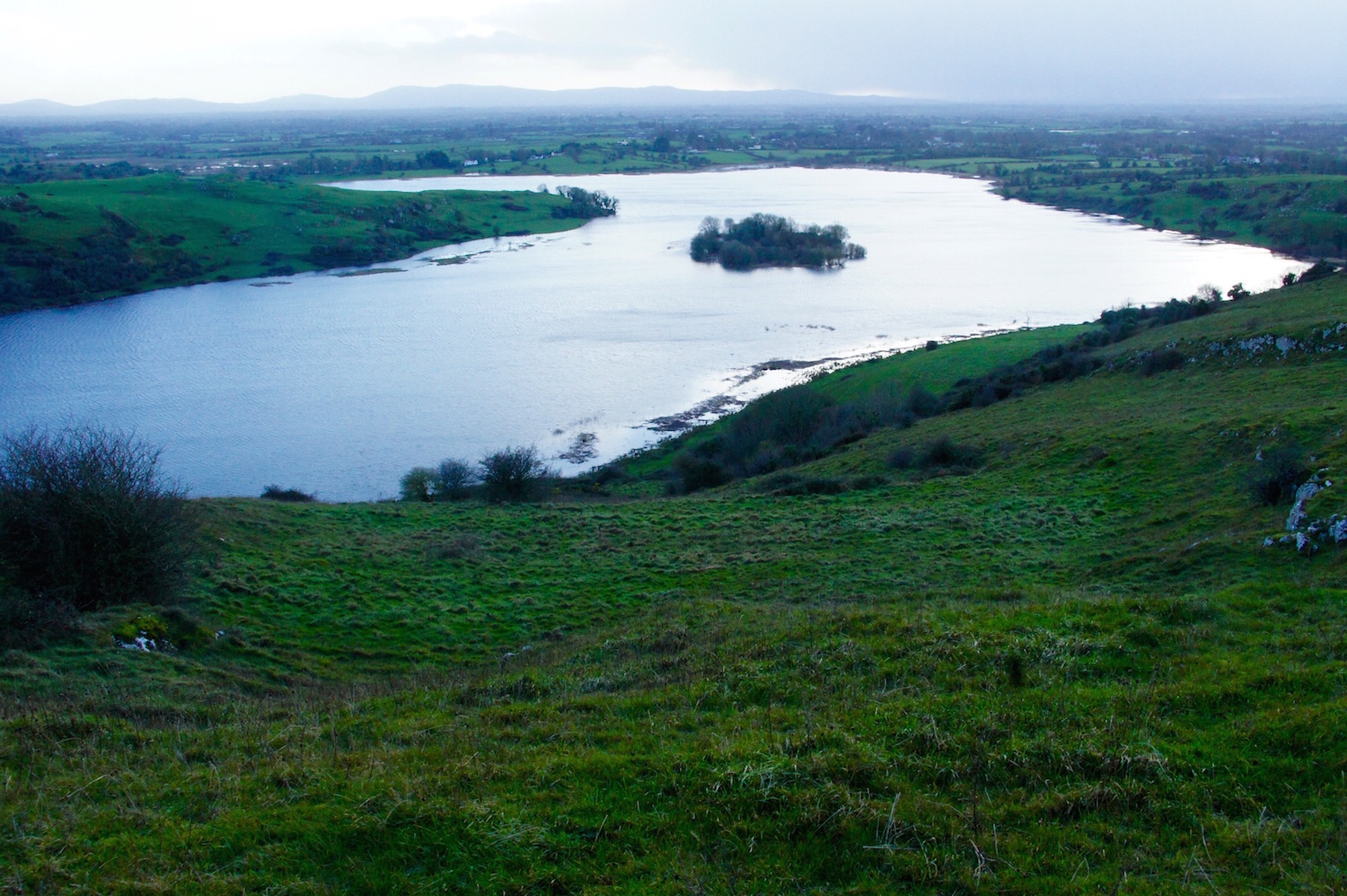
Lough Gur, in South West Ireland, was once a lake that fully circled the hill of Knockadoon, home to one of the four provincial entrances to Tír Na Nóg, the land of everlasting youth (subject of previous HX blog posts).
During the great Irish famine (1844 to 1849), as it was known, British Prime Minister Sir Robert Peel introduced public work schemes to create employment & income that might alleviate the consequences of the potato crop failure, on which millions of people depended. It employed some 150,000 people at peak. One such scheme was the excavation of a trench to lower the level of the Lough Gur lake.
Consequently, the lake became hoseshoe-shaped around the hill, no longer a complete circle. Another consequence of the reduced lake level was that many thousands of archeological artifacts were discovered on the newly exposed shoreline. They were found primarily at a distance where one might have thrown them from the former (higher) shoreline, leading archeologists to conclude that that lake received offerings from the local peoples during some of its 5,500 year history of local human habitation. Locals loaded the artifacts onto horse and carts and they were sold to traders in nearby Limerick city. Many of the items ended up in museums in Britain and in Ireland.
Photo taken during MBs Christmas trip home of two weeks back:
SONY DSC
 HX Report