HX Report
Irishman in the Middle East
The SULTANATE OF OMAN
Many of the countries of the Arabian Gulf are headline grabbers from time to time, and some are constantly in the news. Saudi Arabia, UAE (which contains the Emirates of Dubai and Abu Dhabi), Yemen, Qatar, Bahrain, Kuwait & Iraq are probably better known internationally than Oman, or officially, the Sultanate of Oman.
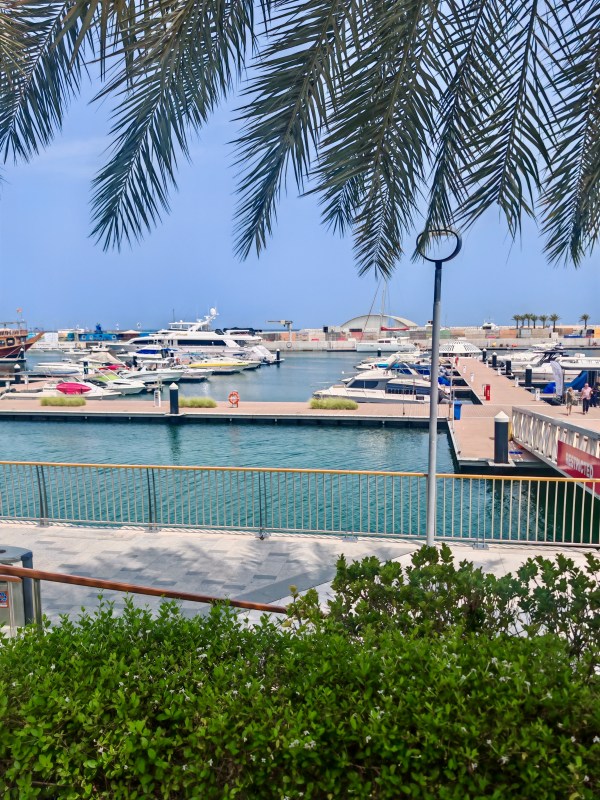
Many past residents of Dubai, MB included, often did what was called the ‘Oman Run’ for Visa renewal purposes, when one needed to exit and re-enter the UAE to comply with a legal formality. The scenery changes dramatically as one nears Oman, as rugged rocky mountains suddenly appear just off the motorway and make a dramatic contrast against the flat sandy desert plains of the Emirates. MB understands that the exit/re-entry process is no longer required, but that was the cause of MB’s only past connection with Oman; driving through the UAE border post on a number of ‘Oman Run’ occasions, getting the exit stamp on the passport, before proceeding a kilometre or two to the Oman border post and getting the ‘entry’ stamp, before a quick coffee and sandwich, a U-turn, and doing the whole thing in reverse en route back to Dubai.
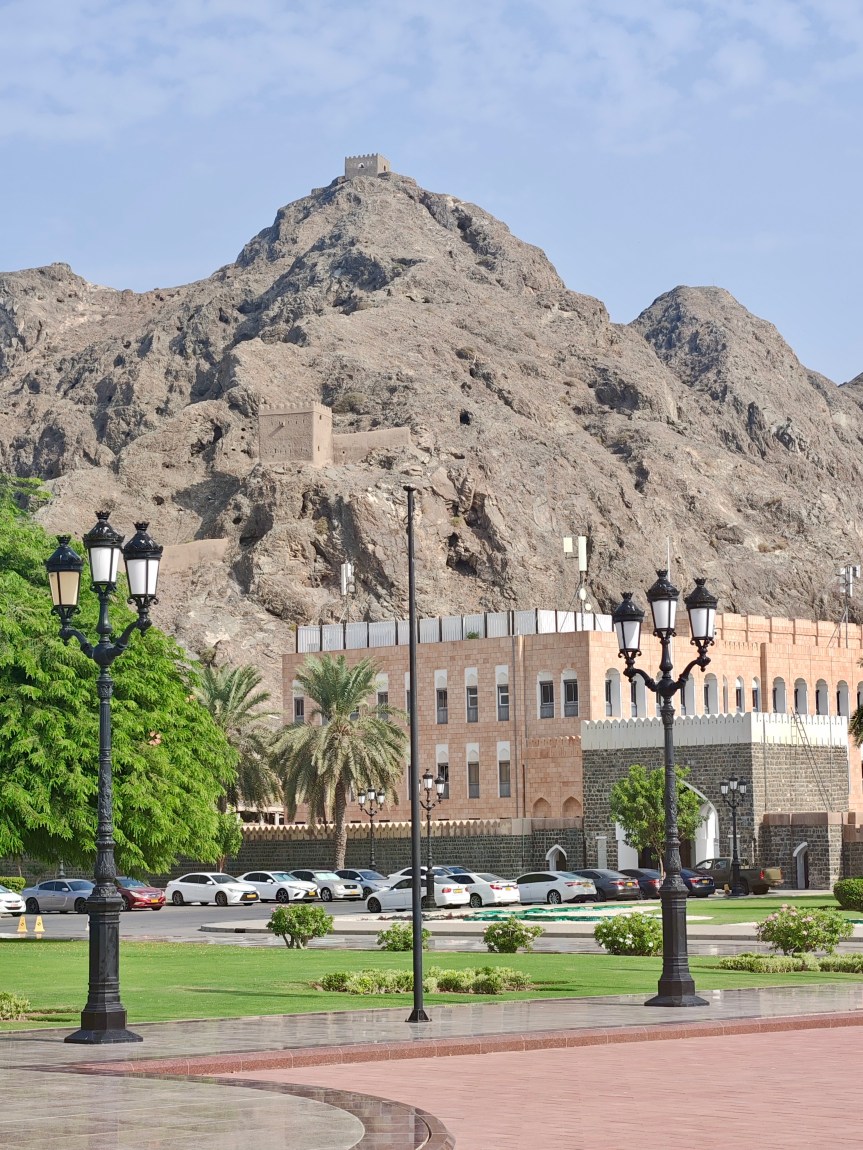

But that was all many years ago, and MB had often thought he should return to Oman some day for a proper look. A few months back, MB did exactly that, confining himself to Muscat, the capital city, on the Gulf of Oman. The other Oman option is to fly to Salalah on the Arabian Sea with its flowing rivers and lush greenery. In winter time, the landscape becomes too wet and slippy for the local Salalah camels and they descend to the beach areas where they spend weeks and months because of it’s easier underfoot conditions, all according to MB’s Muscat guide Amir. Another time for a Salalah trip, perhaps.
But mention of said Amir…….. MB and partner were lucky to find taxi-driver Amir by mere chance on the early morning hours of arrival on Day-1 at Muscat Airport. Amir mentioned that he formerly worked as a tour guide and if required he would be happy to give a tour to the new arrivals on the following afternoon, which they gladly accepted and which resulted in the discovery of many places of interest that might otherwise have been missed. Thank you Mr Amir!
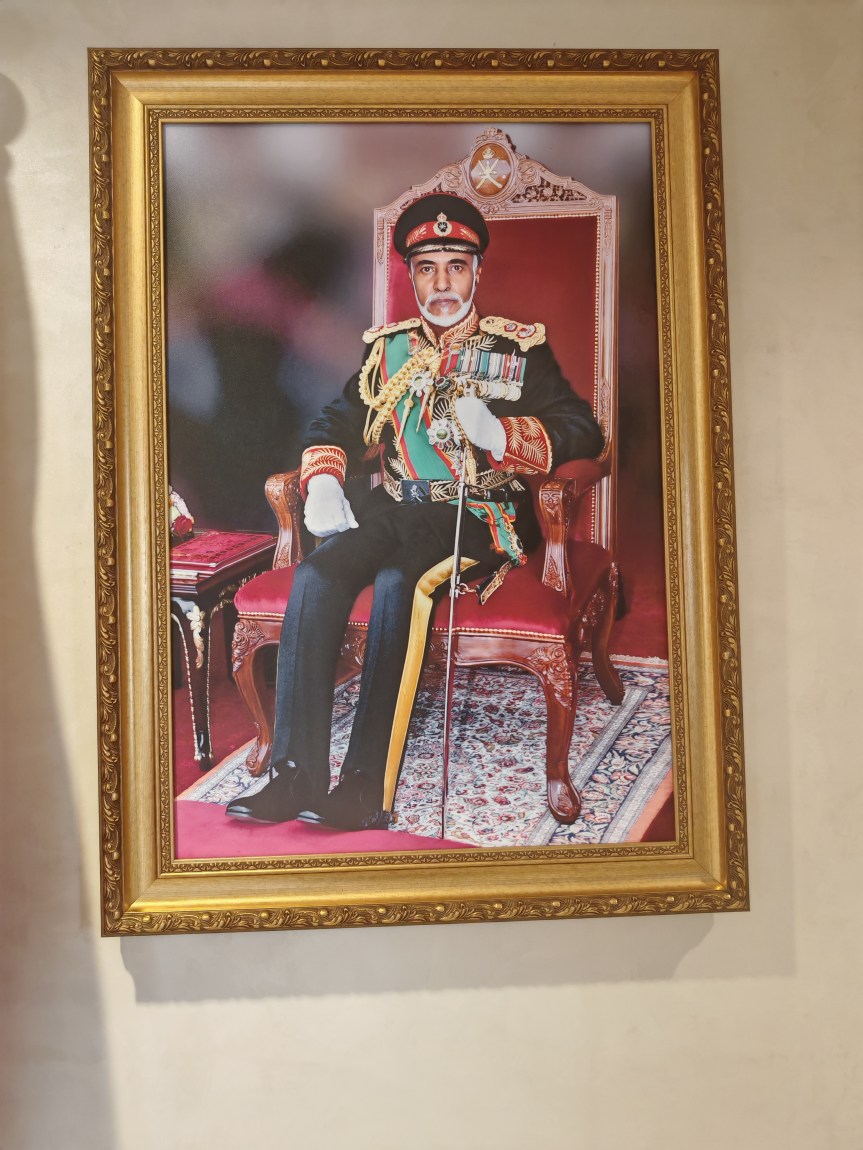
Oman is an Islamic country, as are all Gulf countries, but the majority religion is a sect of Islam called Abadism (or Abadi Islam), with the Shia and Sunni combined only forming some 30%. The main angle, if MB can call it that, of the Abadi, is just to live & let live, and don’t worry about, or judge, the religion of others. In essence, peaceful coexistence with all. The Omani Royal family are traditional peace-makers between other Gulf States & Rulers, in keeping with their Abadi roots, a fact not often known outside the region.
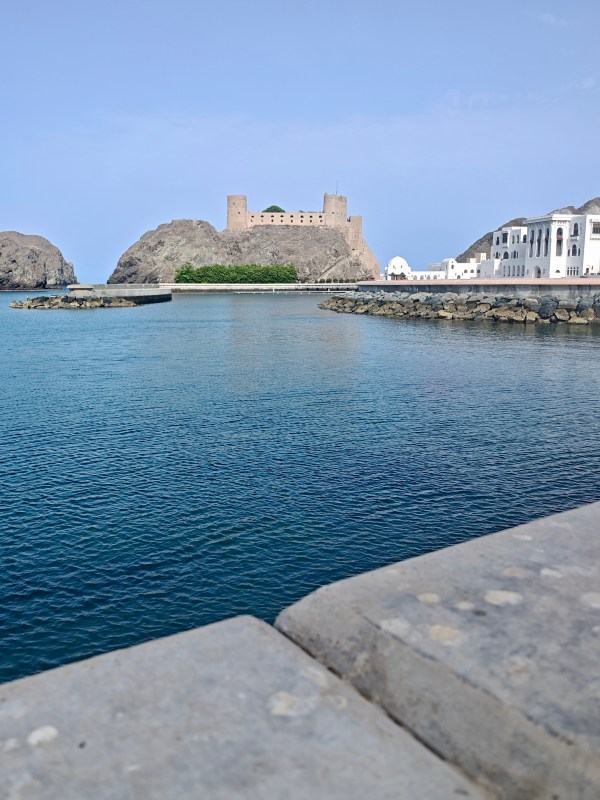
The Portuguese were occupiers of some of the coastal areas of Oman from 1507 until 1650, mostly for the purpose of controlling trade routes. They built many stone forts as watch towers on higher ground and hilltops, and many of the forts survive to this day.
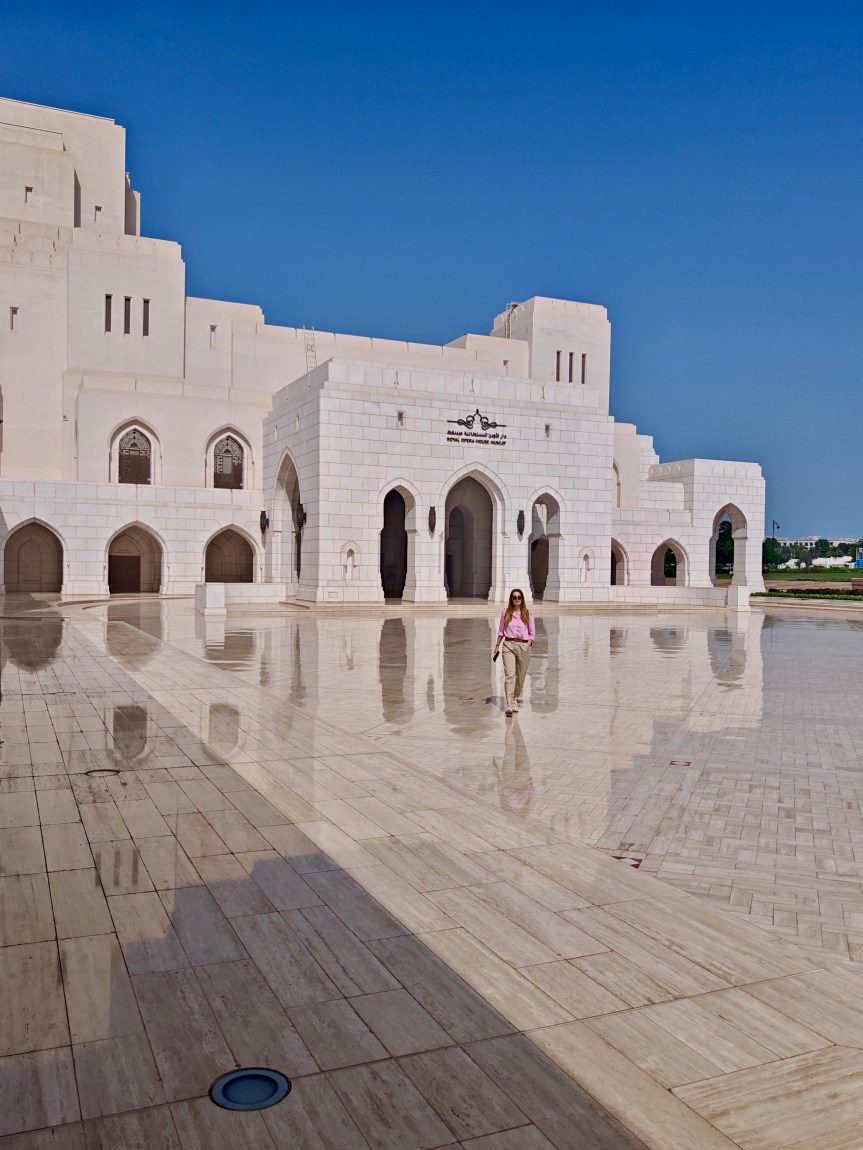
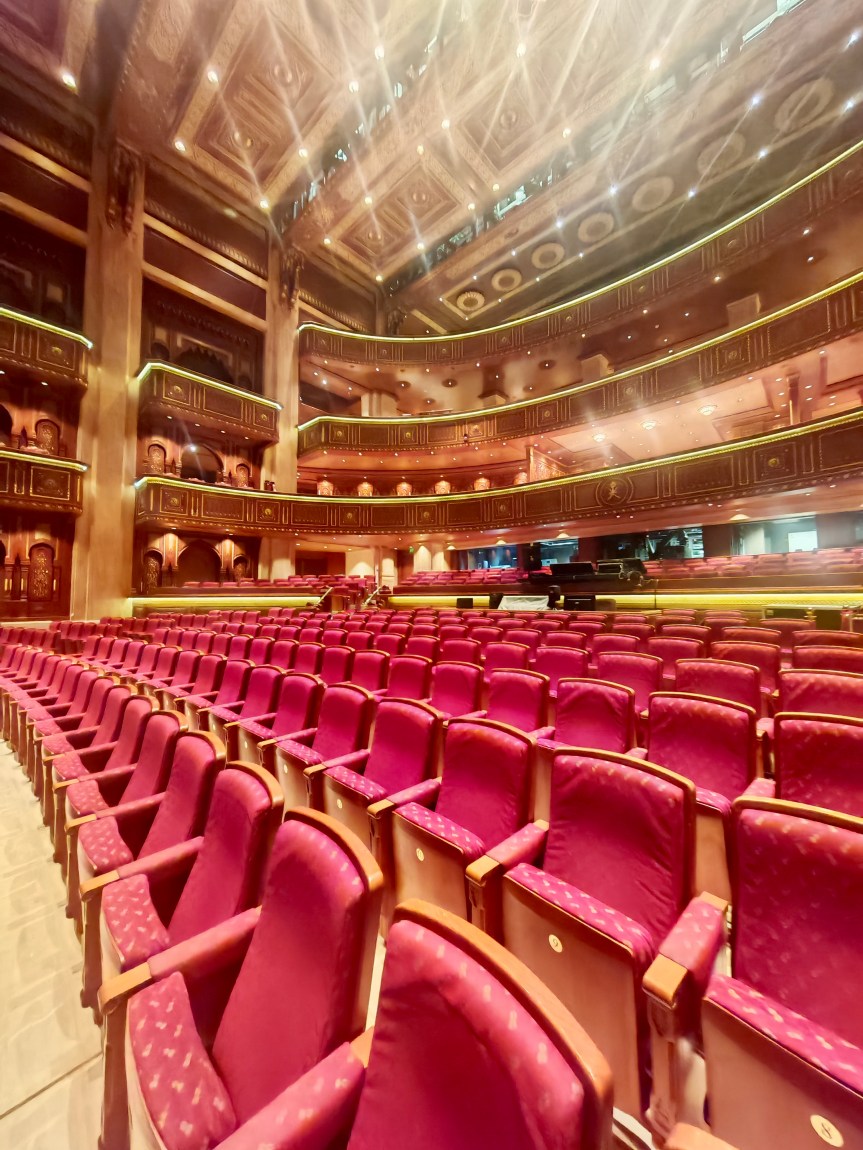
Muscat boasts the very modern and impressive Royal Opera House, which can accommodate 1,100 patrons. It was built on the orders of Sultan Quboos, the then leader, who was a classical music and opera fan. As Amir explained, it’s not something that appeals to most Omanis, being foreign to their culture. But it’s a big tourist attraction in its own right with local guides available to explain the background and the various points of interest, and hosts many musical events throughout the year. It opened in 2011 and the very first performance was the opera Turandot featuring Placido Domingo. The structure is comprised entirely from Italian Marble and local Omani stone, and is eye-catching to say the least.
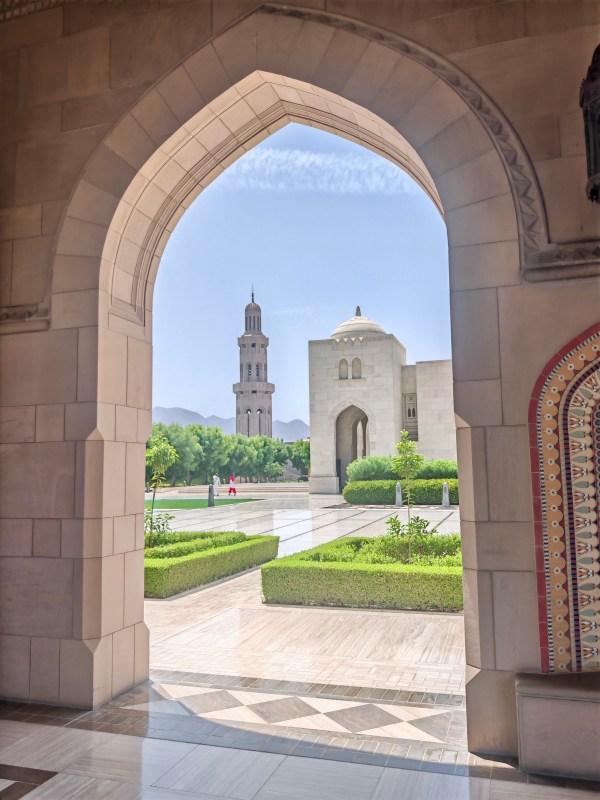
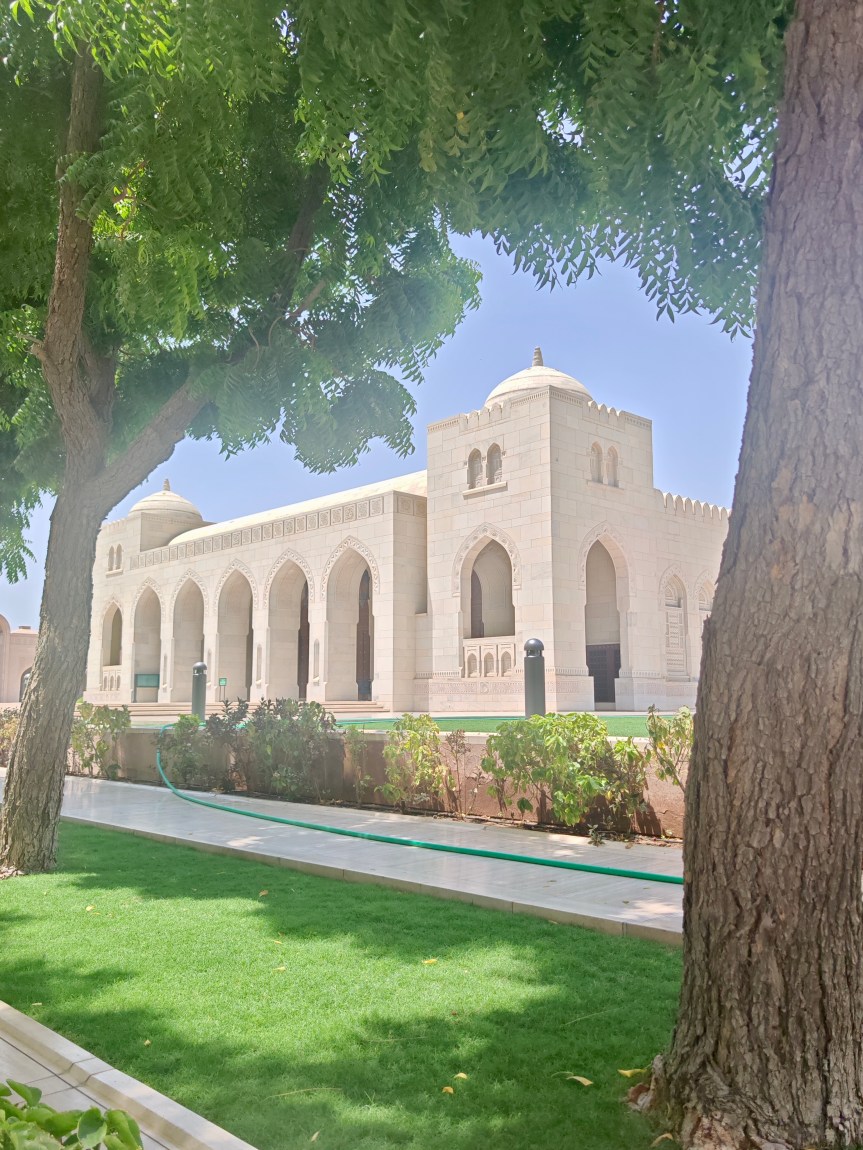
The largest and most visited mosque in Oman is the (Sultan Quboos) Grand Mosque which is a stunning structure and capable of holding 20,000 worshipers. It was completed in 2001, and is another ‘must see’ venue on any Oman trip.
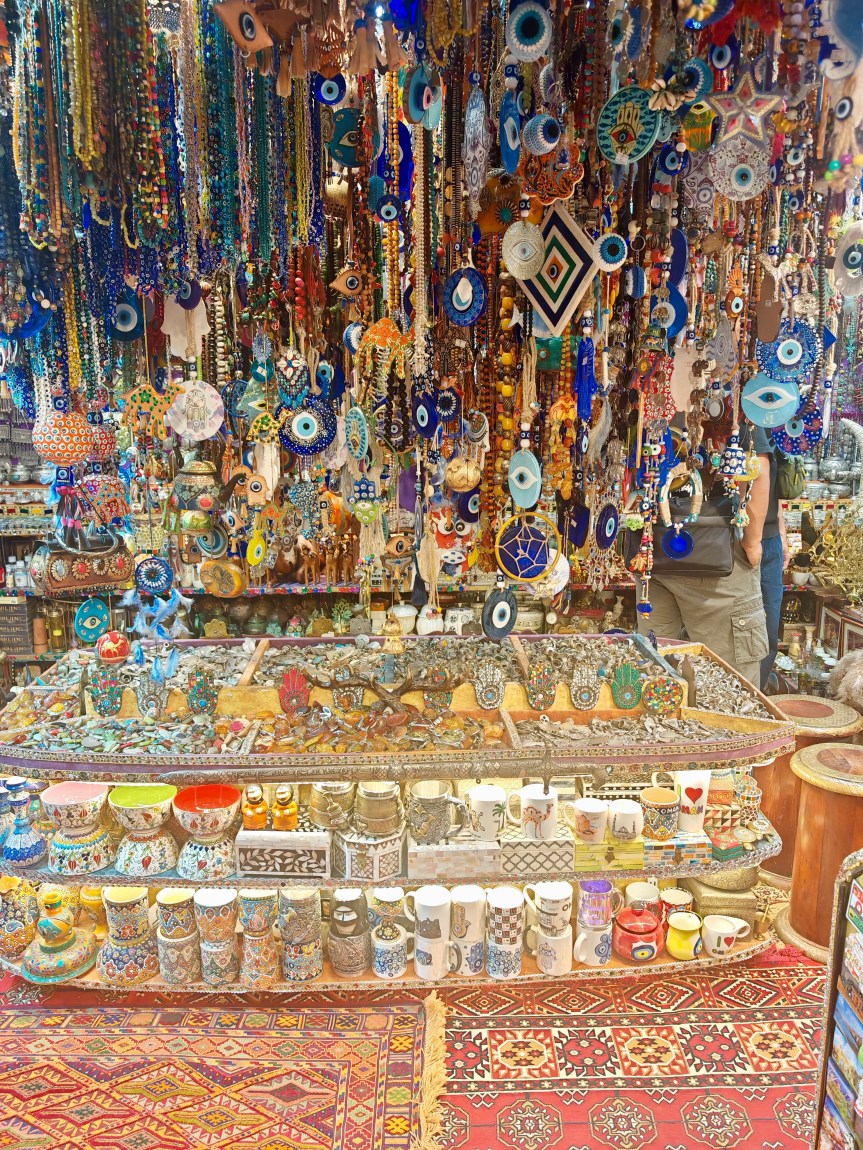
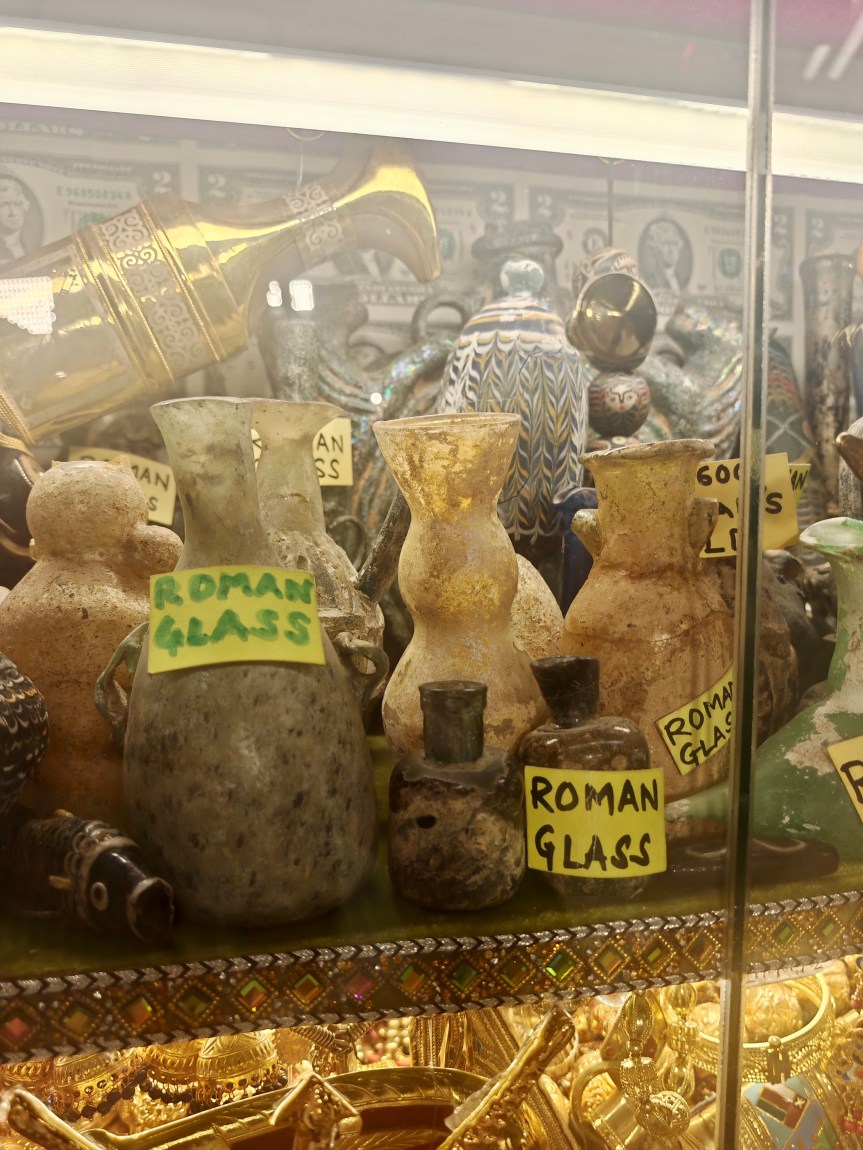
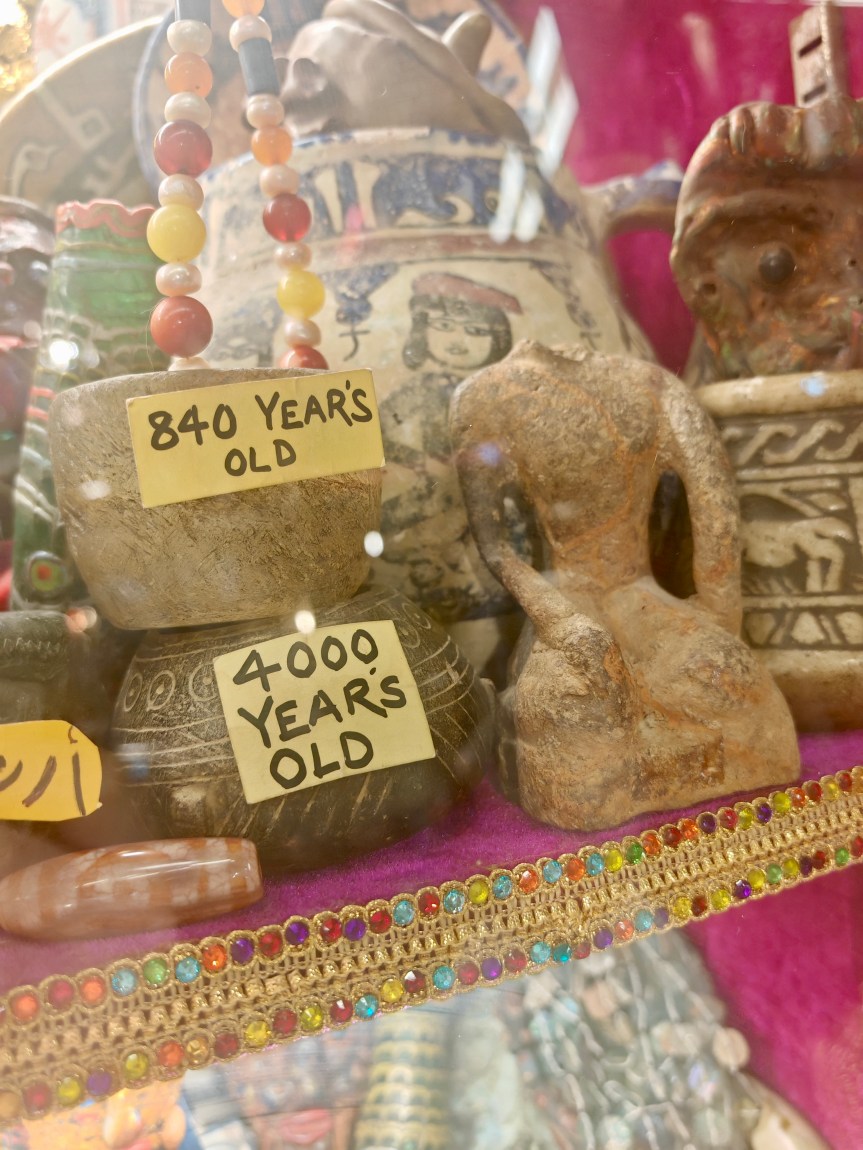
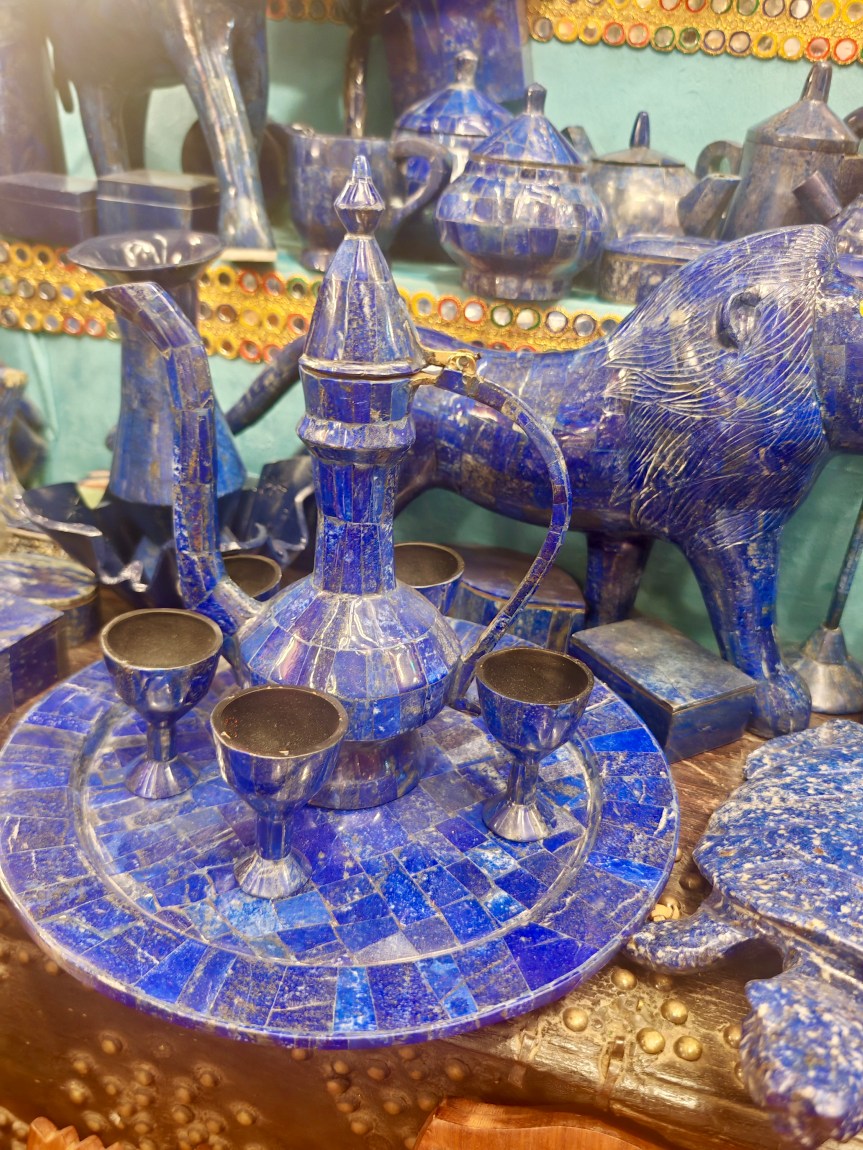
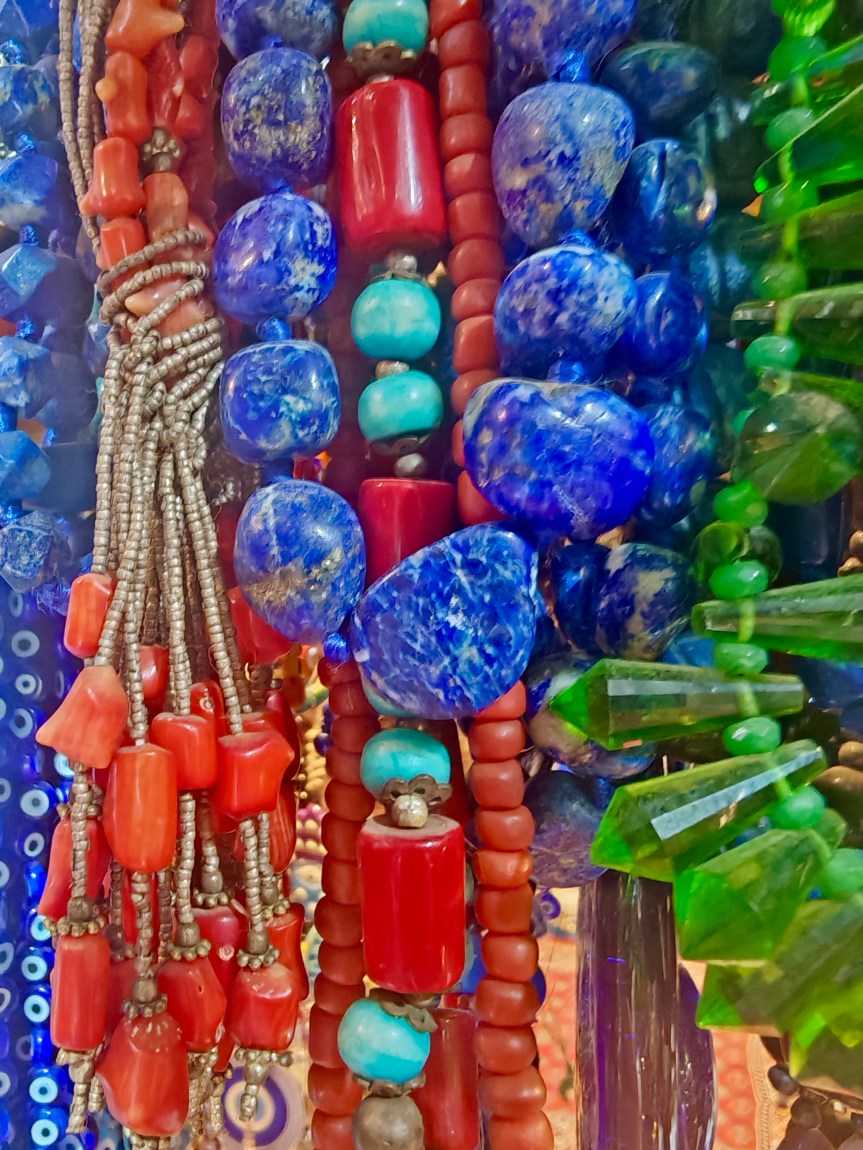
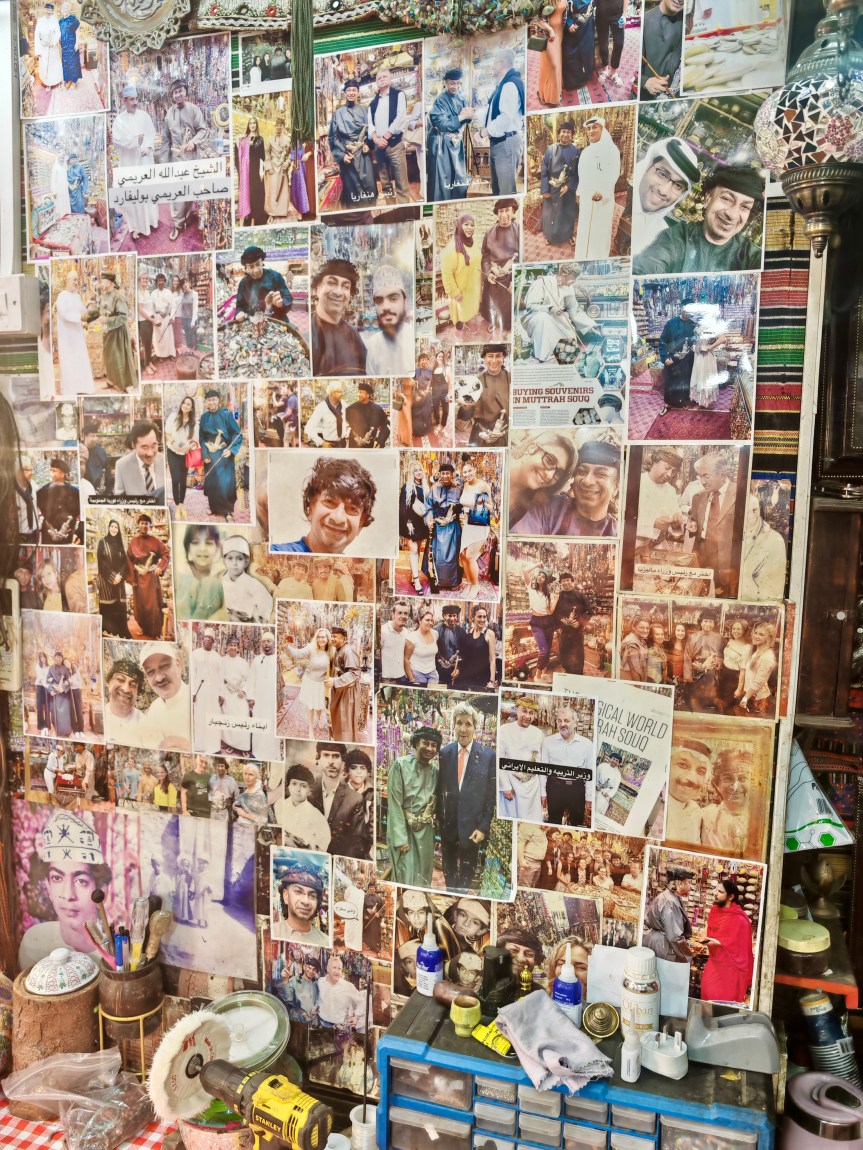
The old Souq is another ‘must see’, and one shop in particular absorbed much of MB’s time and attention; an Aladdins Cave of all types of jewellery, precious stones and many other goodies. A few particular cabinets were filled with artefacts from the Roman era and beyond, and the items in that cabinet were not for sale. MB is unsure if the Ministry of Culture & Antiquities is aware of those items, but if not, it seems to MB that they should be! The shop is internationally famous and there’s a photo collage within, showing many famous dignitaries who have visited. MB recognised John Kerry, the American Secretary of State from a few years back. The owner did not ask MB for any photo, which surprised MB a lot!
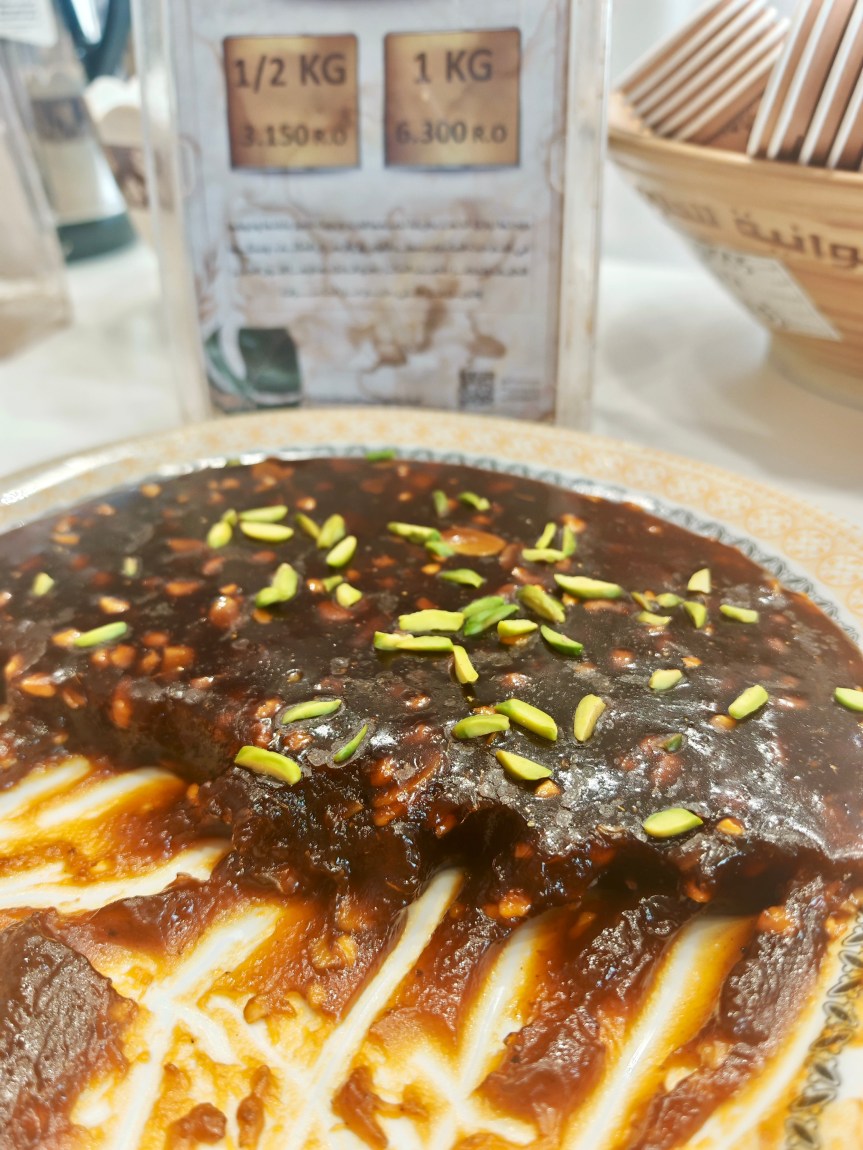
Halwa is a local sweet/treat. Guide Amir instructed the newly arrived how to take samples from the different plates of free-to-taste Halway in a local shop, without leaving one’s saliva (& DNA!) on the remaining portion. MB tried all types which were each delicious, and MB then purchased a box of his favourite type from the shop owner. Said Halwa found its way to the Emerald Isle some time later where it was consumed with much finger-licking relish!

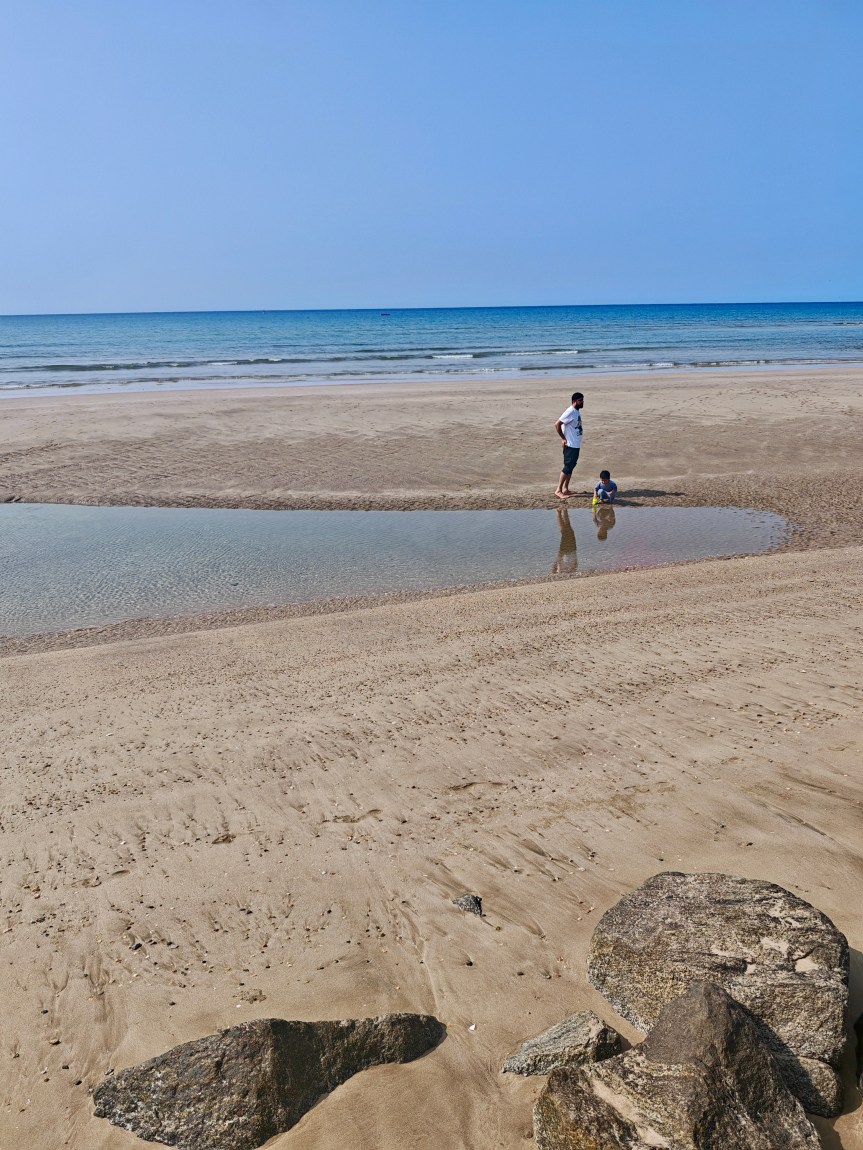
Oman has approximately 2,000 miles of coastline, and endless beaches to explore, if that’s your fancy.
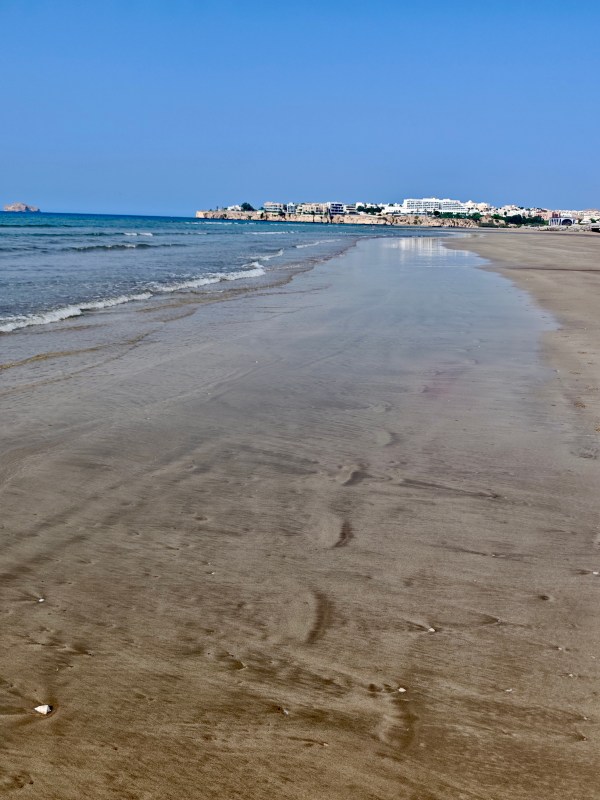
There is so much to see within Muscat and further out if you have time. Many places of interest outside the city were recommended to MB by friends who had previously visited, but alas on this occasion, time did not permit. Another time, inshallah!
If you happen to be in the Region, then Oman is an authentic old-Arab-world venue that hasn’t much changed in eons. The bright lights and 5-Star glitter of Dubai attracts millions of tourists each year, and Saudi Arabia is currently building tourist venues that are already starting to compete with Dubai. Qiddiya City, 45 km from central Riyadh, for example, is a newly built but not yet finished, sports, cultural and entertainment city that is three time larger than Paris! But for MB, Oman will always remain a very attractive destination for a trip, whether for a weekend break or longer.
Safe travels!

 HX Report